Stop Babying Your LiPos (And Start Respecting Them): A Garage Racer's Charging Reality Check
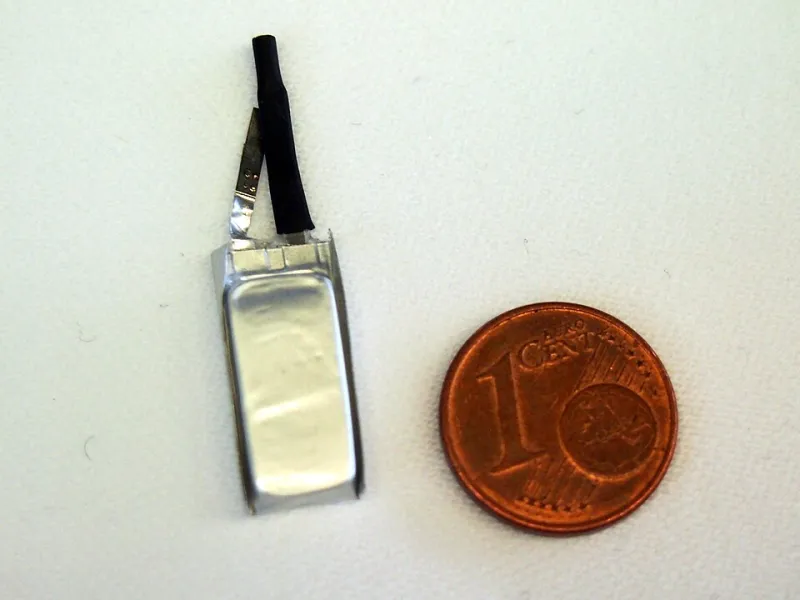
Photo: Ordercrazy, CC0, via Wikimedia Commons
Every RC forum has that guy. He won't charge LiPos indoors. He stores them in a steel ammo can behind a fire door. He once saw a video of a pack venting and hasn't slept right since 2016.
And every club parking lot has the opposite guy: race over, packs dumped in a gear bag, thrown in the trunk of a black sedan in July, still plugged in to the car from that morning.
Here's the thing — both guys are losing. One's scared of a battery chemistry he uses every weekend, and the other's one bad day away from an insurance claim. LiPo safety isn't about fear. It's about about five actual rules. Everything else is folklore.
The Only Charge Rates You Actually Need to Know
Most modern LiPo packs can safely charge at 1C. If you don't know what that means, it's simple: a 5000mAh pack charges at 5 amps. That's it. That's the math.
Charging at 1C is gentle, extends pack life, and takes about an hour. Charging at 2C or higher is fine for packs rated for it, but the gains are marginal and the heat and wear are real. Unless you're between rounds at a national, there's no reason to rush a charge.
The one non-negotiable: use a balance charger with a balance lead connected. Every time. The balance lead is what keeps your cells even, and uneven cells are where LiPo trouble starts. If your charger will charge without the balance lead plugged in, buy a better charger.
Storage Voltage: The One Habit That Changes Everything
If you take one thing from this article, take this: LiPos should be stored at roughly 3.8 volts per cell.
Sitting at full charge (4.2V per cell) degrades the chemistry. Sitting dead flat (3.5V or lower) can permanently damage the pack. Your charger almost certainly has a storage mode — use it. After race day, after bashing, after anything longer than a day of the pack sitting around: storage mode, then shelf.
This is the difference between packs that last two seasons and packs that puff up by summer. It costs you ten minutes and zero dollars.
Setting Up a Charging Station That Doesn't Suck
You don't need a fireproof bunker. You need a sane corner of the garage:
- A hard, non-flammable surface — concrete floor, metal shelf, not the carpet or the couch
- A LiPo-safe bag or an ammo can for charging, mostly to contain a worst-case event
- A smoke detector nearby. Non-negotiable, and it protects you from way more than batteries
- Physical separation between packs — don't stack five charged packs on top of each other while charging
- A timer or your attention. Never leave a charging pack asleep in the house overnight
That's the whole list. If your setup checks those five boxes, you're doing more than 90% of hobbyists.
What to Actually Do After a Crash
Puffed pack? Dented pack? Punctured pack? Here's the honest procedure, minus the drama:
- Stop using it immediately. A swollen or physically damaged pack is done as a race pack. Full stop.
- Get it somewhere non-flammable — concrete driveway, away from the house, not back in your gear bag.
- Check the voltage. If any cell is below 3.0V after the hit, the pack's compromised.
- Discharge it fully and safely — saltwater discharge or a discharge function at low amps — then take it to a battery recycling drop-off (most hardware stores and Best Buy locations take them).
A pack that took a hit but passes a visual check and holds voltage evenly? Plenty of racers relegate it to practice. That's a judgment call, and honestly, a $60 pack isn't worth debating. Your garage is.
The Myths Keeping New Guys Scared or Broke
"You need a $200 charger." No. A solid 60–100W AC/DC balance charger from any of the major hobby brands runs $40–70 and will serve you for years. Spend the difference on more packs.
"You can never leave a LiPo unattended, ever, even in storage." Storage-charged packs in a LiPo bag on a metal shelf are about as dangerous as a box of AA batteries. The risk window is during charging and right after hard use — manage that window and relax.
"Puffed packs can be recovered." Sometimes they keep working for a while. That's not recovery, that's a countdown. Retire them.
"LiPos are more dangerous than NiMH ever was." They demand more respect, sure. But they also deliver twice the voltage and a fraction of the weight. Respect the chemistry, follow the checklist, and the fear evaporates.
The hobby runs on these packs. Learn the handful of rules that matter, build the five-item station, and get back to driving. Your batteries — and your house — will be fine.