That High-Pitched Whine Is Costing You Tenths: A Bearing Teardown for 1/10 Buggy Owners
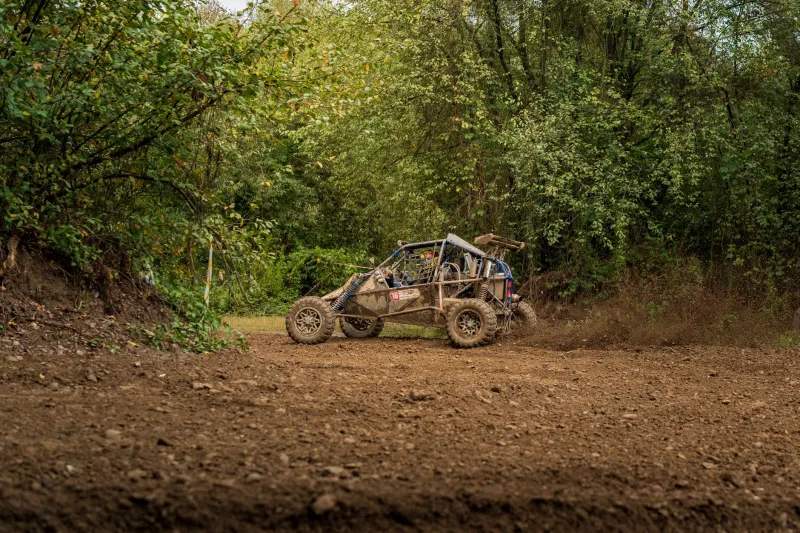
The whine showed up after the third practice run. It followed wheel speed, not throttle, and it got sharper when the buggy loaded up in a corner. The motor was fine. The ESC fan was fine. The sound was coming from somewhere in the drivetrain, and it was the kind of noise that makes you turn the radio off and start pulling wheels.
A bad bearing is one of the cheapest lap-time fixes in RC, but only if you catch it before it becomes a seized bearing in the middle of a main. Here is the garage teardown we use on a 1/10-scale race buggy.
What a bad bearing actually costs
A dry or gritty bearing adds drag. That drag shows up as heat, slower acceleration, and inconsistent braking. On a tight club track, a bad wheel bearing can cost a tenth or two per lap. A bearing that is close to seizing can cost you a main event. The motor also runs hotter because the drivetrain is fighting itself.
We have seen a rear hub bearing add enough drag to make the car feel like it had brakes on. The driver kept adding throttle and the motor kept heating up. The fix was a bearing that cost less than a set of body clips.
Step 1: Isolate the noise without throwing parts at it
Put the car on a stand. Spin each wheel by hand. Listen and feel. Remove the motor pinion and spin the center drivetrain. If the noise goes away, the problem is downstream. If it stays, look at the gearbox, diff, or top shaft.
Use a long screwdriver as a poor man's stethoscope. Put the handle against your ear and the tip on the bulkhead or gearbox case. Move it around until the noise gets louder. Clean the car first. Clay grit can mimic a bad bearing, and you do not want to replace a good bearing because a little dirt was talking.
Also check the wheel nuts. Overtightened nuts can preload the bearings and make them feel rough. Back them off and spin again before you condemn anything.
The usual suspects on a 1/10 buggy
| Location | What you will hear or feel | Access note |
|---|---|---|
| Front hub bearings | Gritty spin, steering slop | Pull wheel and hex |
| Rear hub bearings | Whine with wheel speed, drag | Pull wheel and hex |
| Diff bearings | Growl under load, heat | Remove gearbox cover |
| Top shaft bearings | Rattle or squeal | Remove spur gear |
| Motor bearings | Squeal after throttle | Remove pinion and spin motor |
Common sizes vary by kit, so check your manual before ordering. Our club buggy uses 5x10x4 wheel bearings and 10x15x4 diff bearings, but yours may differ. That is why the manual lives in the pit box.
Step 2: The 20-minute bench routine
- Pull the wheels and hexes. Clean the hubs with citrus cleaner and dry them with compressed air or a towel.
- Spin each bearing and listen. Mark the rough ones with a Sharpie or set them aside.
- For sealed bearings, carefully pop the rubber seal with a pin. Flush with cleaner, dry, and re-oil. If it is still gritty, replace it.
- Use a light bearing oil. A tiny drop is enough. Spin the bearing and wipe the excess. Do not pack wheel bearings with heavy grease unless the manual says so.
- Reinstall with the correct shims and do not crank the wheel nuts. Preload kills bearings.
- Spin the whole drivetrain, check gear mesh, and run the motor briefly to confirm the noise is gone.
Twenty minutes if you have parts on hand. An hour if you are hunting a snapped clip or a missing shim. The point is to make it a routine, not a rescue mission.
Step 3: Replace or rescue?
Rescue a bearing that is smooth but dry. Replace one that is gritty, rusty, or rough. Bearings are cheap. DNFs are not. Keep a spare set in the pit box in the sizes your buggy eats.
For club racing on clay, we lean toward rubber-sealed bearings because dirt is the enemy. Metal-shielded bearings can spin freer, but they also let grit in faster. Your track and your maintenance schedule should make that call.
Parts and tools that make it fast
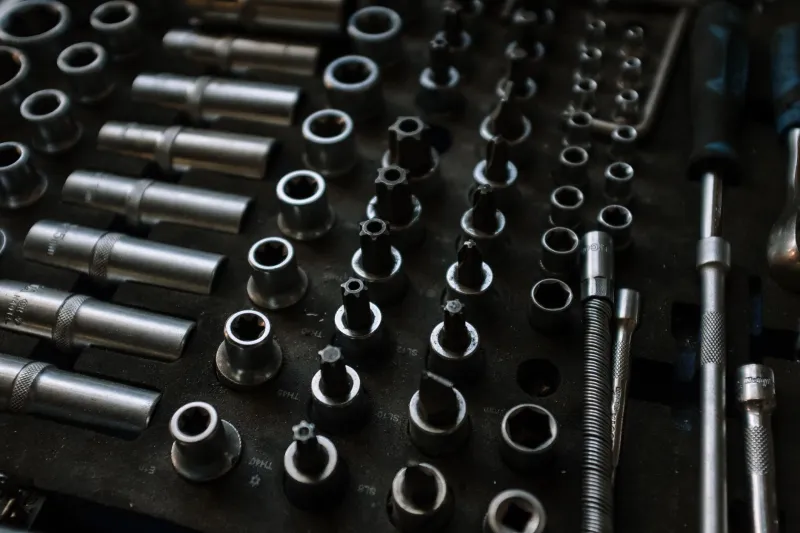
- Hex driver set that fits your buggy
- Bearing puller or a spare axle to press bearings out
- Citrus cleaner and compressed air
- Light bearing oil
- Spare bearings in common sizes
- Shop towels and a small parts tray
- Your kit manual or exploded view
You do not need a $200 press. You need the right driver, a clean bench, and a little patience.
The motor heat clue
After each run, check motor temperature. If the motor is hot and the drivetrain feels stiff, fix the bearing before you change gearing. A lot of所谓 gearing problems are really drag problems. The whine is a gift. It tells you before the stopwatch does.