The Tailgate Tech Inspection: How to Vet a Used RC Buggy Before Cash Changes Hands
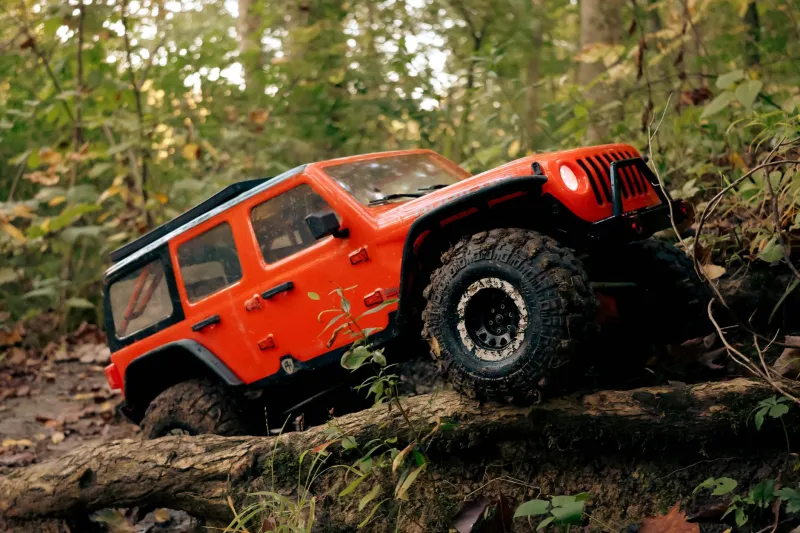
Used race buggies are showing up on Marketplace and in club classifieds at a steady clip in 2026. Plenty are honest deals from racers thinning the fleet. Plenty are also what we call a story with wheels: ran great last season, just needs a tune, no time to race anymore. The difference between a bargain and a money pit usually shows up in the first 15 minutes, if you know where to put your eyes and hands.
This is not a full teardown in a stranger's driveway. Think of it as tech inspection at the track: quick, repeatable, and focused on the stuff that actually costs money. Bring a small bag, ask direct questions, and be willing to walk. There is always another buggy.
Before You Leave the House: Pack the Five-Minute Kit
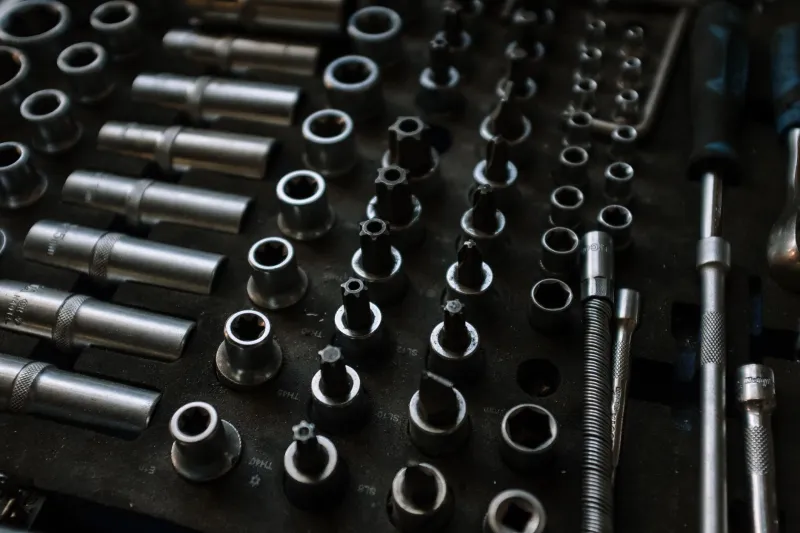
You do not need a full pit box. A small tool roll is enough to catch most problems. Bring a set of hex drivers that match common RC sizes, a small flashlight, a rag, a battery checker if you have one, and a compact caliper or ruler. A magnet helps you tell aluminum from steel in a hurry. A tire gauge is useful if the buggy comes with wheels and tires you plan to race. Throw in a small plastic bag for any loose parts the seller lets you keep.
The most important tool is your phone. Take photos of the chassis, shock towers, motor mount, and wiring before you leave. If the deal goes sideways later, you will want a record of what you saw.
Minute 0-3: Make the Seller Talk First
Start with questions, not tools. Ask why they are selling, where they raced it, what class it ran, how often it hit the track, and what spares come with it. Ask what is new, what is worn, and what they would replace before racing it again. Ask how old the battery is and whether the buggy has been run since the last cleaning. A seller who races locally will usually have straight answers. A seller who says it is all fresh and perfect but cannot name the motor or ESC is already telling you something.
Ask for the body to come off before you get too deep. If the seller will not remove the body, end the visit politely. You cannot inspect what you cannot see, and a no-body-off policy is a red flag the size of a race banner.
Minute 3-7: Body Off, Eyes Low
With the body off, look at the chassis first. Scratches are normal. Cracks, gouges, and bent edges are not. Check the shock towers and bulkheads for stress marks or repaired corners. Look at the hinge pin braces and suspension arms for bends or heavy scraping that suggests repeated hard impacts. Flip the buggy over and inspect the underside of the chassis. A clean top with a chewed bottom is a familiar story.
Check screw heads. Stripped hexes mean someone has been in and out of the truck, possibly in a hurry. Look for zip-tie repairs, mismatched hardware, and fresh silicone around diff cases. Then move to the drivetrain. Spin each wheel and listen for gritty bearings or binding. Check the diff outdrives, dogbones, and wheel hexes for wear. Worn outdrives are cheap enough, but they tell you how many packs have gone through the buggy.
Run your fingers along the shock shafts. Pitting or oil film means a rebuild is coming. Look at the tires: uneven wear, torn sidewalls, and dried-out foam are all negotiation points. If the tires are the ones you plan to race, budget for a fresh set.
Minute 7-11: Electronics and the Expensive Stuff
Electronics are where a used buggy can get ugly fast. Check the motor for shaft play and listen for bearing noise. Look at the sensor wire and connectors for fraying or heat damage. Inspect the ESC fan, capacitors, and solder joints. A fan that does not spin is a small problem. A capacitor that is bulging or a connector that has been hot is a bigger one.
Look at the battery pack carefully. Swelling, dented cells, or damaged balance leads should end the conversation. Ask the age of the pack and how it has been stored. If the seller cannot tell you, assume it is closer to retirement than the label suggests.
Check the servo for centering and play. Turn the wheels by hand and feel for slop in the steering rack. Look at the radio gear. Is the transmitter included? Is the receiver mounted cleanly? Does the buggy have a transponder, and is it the one you need? These little items add up when you are trying to get on track.
Minute 11-13: The Roll Test
Set the buggy on the ground and roll it forward and back. Listen for clicking, grinding, or a drivetrain that binds every few inches. Turn the steering lock to lock and watch for binding or weird noises. If the seller will allow a short, safe run, do it. A quick throttle blip on a stand or a short roll across a driveway can reveal more than ten minutes of staring. You are listening for smooth acceleration, clean steering, and no surprise rattles.
Minute 13-15: Price the Risk, Then Decide
By now you should have a short list of parts: bearings, tires, a shock rebuild, maybe a diff rebuild. Price those items before you make an offer. A used buggy is a platform, not a promise. If the price plus the parts list gets close to a new kit, walk away. If the chassis is straight and the electronics are sound, a little wear is normal and often worth it.
Red flags that should end the deal include a seller who refuses a body-off look, a battery that is puffed, a chassis with structural cracks, fresh paint over obvious damage, mismatched electronics with no explanation, and a buggy that will not roll cleanly. Do not talk yourself into a bad deal because the body looks cool. Bodies are cheap. Bent chassis parts and cooked electronics are not.
Our rule at Vipers RC is simple: a good used race buggy should feel tight, not perfect. If the seller's story matches the wear, the price matches the risk, and the buggy rolls like it wants to race, you probably found a keeper. If anything feels off, thank them for their time and keep scrolling. The next listing is already up.