The Tread Is the Report Card: A Vipers RC Tire-Wear Triage Guide
At the Vipers RC workbench, fresh rubber is always tempting. The car feels vague, the lap times slip, and the local hobby shop has a set of tires with your name on it. But before you peel off the wrapper, spend ten minutes with a bright light and a clean tire. The tread is already telling you what changed, and it is usually cheaper to listen than to buy.
This is not a pitch to run bald tires until the cords show. It is a reality check. Tires wear in patterns, and those patterns point at camber, toe, diff health, shock setup, and the way you drive. If you replace the tire without fixing the cause, the next set will wear the same way. That gets expensive fast.
Clean First, Then Look Close
Bring the car into the garage and wipe the tires down with a damp rag. Dirt hides the edges, and a dirty tire makes every wear mark look like a bruise. Put the car on a stand, shine a light across the tread, and look at each tire from the inside shoulder to the outside shoulder. Mark the inside sidewall with a paint pen or a scrap of masking tape so you do not mix up left and right halfway through the inspection.
What you want is a story: where the tread is polished, where it is feathered, where it is rounded, and where it is still sharp. Take a phone photo of all four tires before you change anything. In two weekends, that photo will be more useful than another forum thread.
Feathering Is a Steering and Toe Clue
Feathering looks like tiny angled ridges across the tread blocks. Run your fingertip one way, then the other. If the ridges catch your finger in one direction, you are looking at a toe issue, a steering trim issue, or a bent tie rod. On the front tires, opposite feathering from left to right usually means the toe setting is fighting itself. On the rear, feathering can come from rear toe, a tweaked hub, or a car that is flexing more than you think.
Before you blame the tire, set the car on a flat setup board and check toe with a proper gauge. Then check for slop in the steering rack and rear links. A worn ball cup can create half a degree of toe change that no tire can survive. Fix the link, reset the toe, and the feathering should calm down.
Cupping and Scalloping Point Past the Rubber
Cupping looks like shallow scoops or waves across the tread. It is one of the most misread patterns in RC racing. A lot of racers see cupping and buy a softer tire compound. Sometimes that helps for a night, but if the cupping is coming from a tired diff, a rough bearing, or a shock that is not controlling the wheel, the new tire will cup too.
Spin each wheel by hand and listen. Then check the drivetrain for drag. If one side of the diff feels notchy or the outdrives are worn, rebuild the diff before you spend money on rubber. Also look at shock shafts for bends and check that both shocks on an axle have fresh, equal oil. A wheel that is hopping under load will leave a scalloped tread every time.
Rounded Shoulders Are Not Always a Camber Problem
A rounded outside shoulder usually sends people straight to the camber gauge. Camber can absolutely cause it, especially if you are running a lot of negative camber on a high-grip surface. But shoulder rounding also comes from body roll, soft springs, a high roll center, or a driver who leans on the outside tire in every corner.
Check camber with the car at ride height, not drooped on the stand. Then check ride height and spring preload. If the shoulder is rounded but the center tread is still healthy, the tire is probably rolling over. That is a setup conversation, not a tire-shopping conversation. On the other hand, if the inside shoulder is worn flat, you may have too much camber for the surface and the tire is spending its life on a small contact patch.
The Vipers RC Garage Checklist
Use this before you order another set:
- Clean all four tires and mark inside from outside.
- Photograph each tread with a light raking across the surface.
- Check toe front and rear on a flat board.
- Check camber at ride height, then check it again after a race.
- Spin each wheel and feel for diff drag or a notchy bearing.
- Look for bent shock shafts and uneven shock oil.
- Check wheel bearings for play and hubs for cracks.
- Compare wear left to right; one-sided wear is a setup clue.
- Note driving habits: do you trail brake into the corner or steer with the throttle?
- Only then decide whether the tire is worn out or just reporting a problem.
Case Study: The Buggy That Ate Two Sets
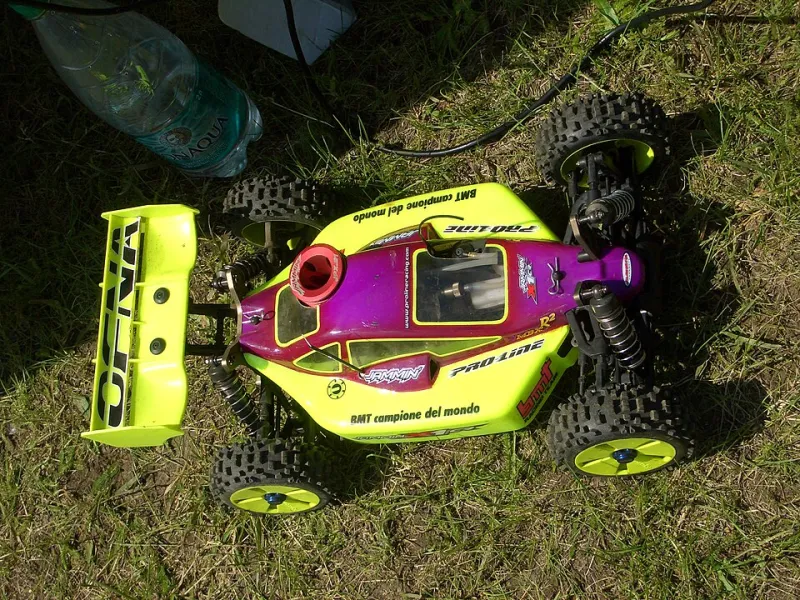
One of our Vipers RC club racers, a mid-pack buggy guy who is careful with money, replaced tires twice in a month because the rear end felt loose. The new tires helped for about a race night, then the car went vague again. When we put the car on the stand, the right rear tire was feathered across the tread and the left rear shoulder was rounded. The diff felt gritty on one side, and the rear toe link had a worn ball cup.
We rebuilt the diff, replaced the link, reset rear toe, and checked camber at ride height. Nothing else changed. The next set of tires wore evenly, the car stopped snapping loose on corner exit, and he got several more race nights out of that rubber. The tires were never the root problem. They were the messenger.
When to Actually Buy Tires
Buy tires when the carcass is done. That means the tread is worn to the wear bars, the sidewall is cut, the foam insert is collapsed, the tire is chunked from too much wheelspin, or the tire will not hold a clean line even after the setup is right. Buy tires when you have changed something and need a known baseline. Do not buy tires just because the car feels off. Feel is a symptom; wear is evidence.
A fresh set of tires is a legitimate tuning tool, especially on race day. But it is a poor substitute for checking toe, camber, diff health, and shock setup. The Vipers RC crew would rather spend ten minutes reading tread than another forty bucks chasing the same problem in a new package.
The tread is the report card. Read it before you pay for a retest.