Same Track, Three Trucks, One Verdict: Our Backyard Throwdown of Buggy, Truggy, and Short Course
Photo: user:AngMoKio, CC BY-SA 2.5, via Wikimedia Commons
The question shows up in every RC forum, every hobby shop counter conversation, and every DM we get: "I've got about $400 and a backyard — what do I buy?"
We got tired of answering with vibes, so we ran the test. Three 1/10 scale electric rigs — a 2WD buggy, a stadium-style truggy, and a short course truck — on the same dirt layout in the same yard over four weekends. Same driver, same battery brand, same worn-out lawn. Here's what broke, what lasted, and what we'd actually recommend.
The Contenders
All three were ready-to-run or RTR-plus setups in the $300–450 range, which is honestly where most people should start:
- 2WD buggy — lightweight, rear-wheel drive, open wheels
- Stadium truggy — buggy DNA with bigger tires and more ride height
- Short course truck — full body shells, enclosed wheels, scale looks
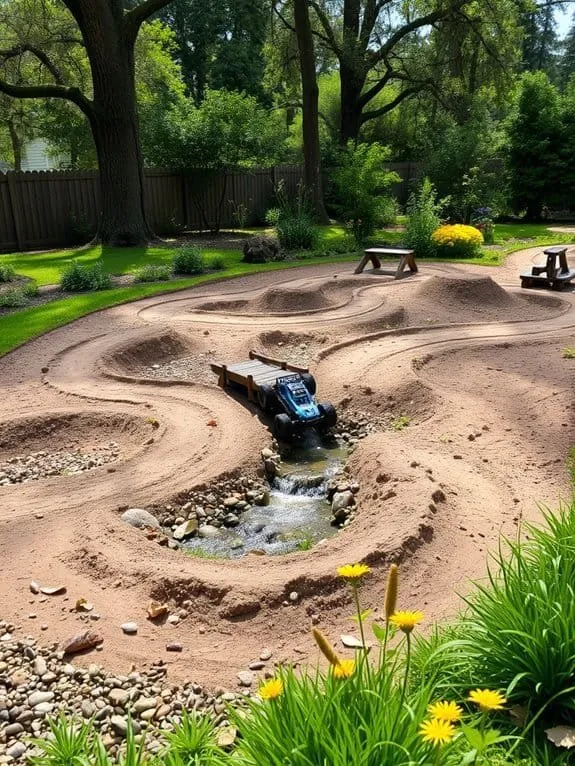
Our test track was a classic backyard build: a winding lane through the yard with two tabletops, one berm, and a garden-edge chicane that has claimed many bodies. If you've built something similar — or you're about to — this should translate directly.
Speed and Handling: Buggy Runs Away With It
No surprises here. The buggy was noticeably quicker everywhere — faster in the straights, sharper in the corners, and far more forgiving mid-air. The open-wheel layout means less drivetrain drag and less rotating mass, and it shows.
The truggy split the difference: not as nimble as the buggy, but it soaked up the rough stuff better and jumped flatter. The short course truck was the slowest but the most planted — it plows where the buggy floats, which some drivers will love and others will fight.
Fun factor ranking: buggy, truggy, short course. But fun is personal, and we'll complicate that in a minute.
Durability: Short Course Fights Back
Over the month, the tally:
- Buggy: two bent hinge pins, one cracked front arm, constant body-clip fights
- Truggy: one torn tire insert, one loose diff outdrive
- Short course: one cracked bumper mount, zero body damage (the full shells take hits like a champ)
The buggy's lightness is also its weakness — open wheels catch everything, and flip-overs stress the arms. The short course truck's body panels eat curb strikes and fence clips that would've shredded a buggy wing. If your yard has obstacles you can't remove, that durability gap is real.
Cost and Parts Availability: The Tiebreaker
Here's where it gets interesting for US buyers. All three classes have deep parts support from the big names — Team Associated, Losi, Traxxas, Arrma — and your local hobby shop almost certainly stocks replacement arms and shock parts for all of them.
But short course has a hidden cost advantage: body shells are cheap and interchangeable-ish, and consumables like tires tend to be less specialized. Buggy tires are a science, with compounds and patterns for every surface, which means more tuning upside but more spending. Budget roughly the same upfront for all three, but expect the buggy to nickel-and-dime you on tires and small parts over a season.
So Which One Should You Buy?
Our verdict, plain and simple:
- Buy the buggy if speed and lap-time improvement are the goal, or if you plan to race at a club. It's the class most tracks run the most of, and the skills transfer everywhere.
- Buy the truggy if you want buggy fun with more crash tolerance. It's the sleeper pick for rough yards, and honestly the one we kept reaching for on casual Sunday bashes.
- Buy the short course if you've got kids, obstacles, or a taste for scale looks. It's the most forgiving platform to learn throttle control on, and bodies are cheap to replace.
One more thing worth saying: all three taught us something different. The buggy taught precision, the truggy taught momentum, and the short course taught patience. If you can only buy one, match it to your yard and your temperament — then come find us at the track and we'll argue about it in person.